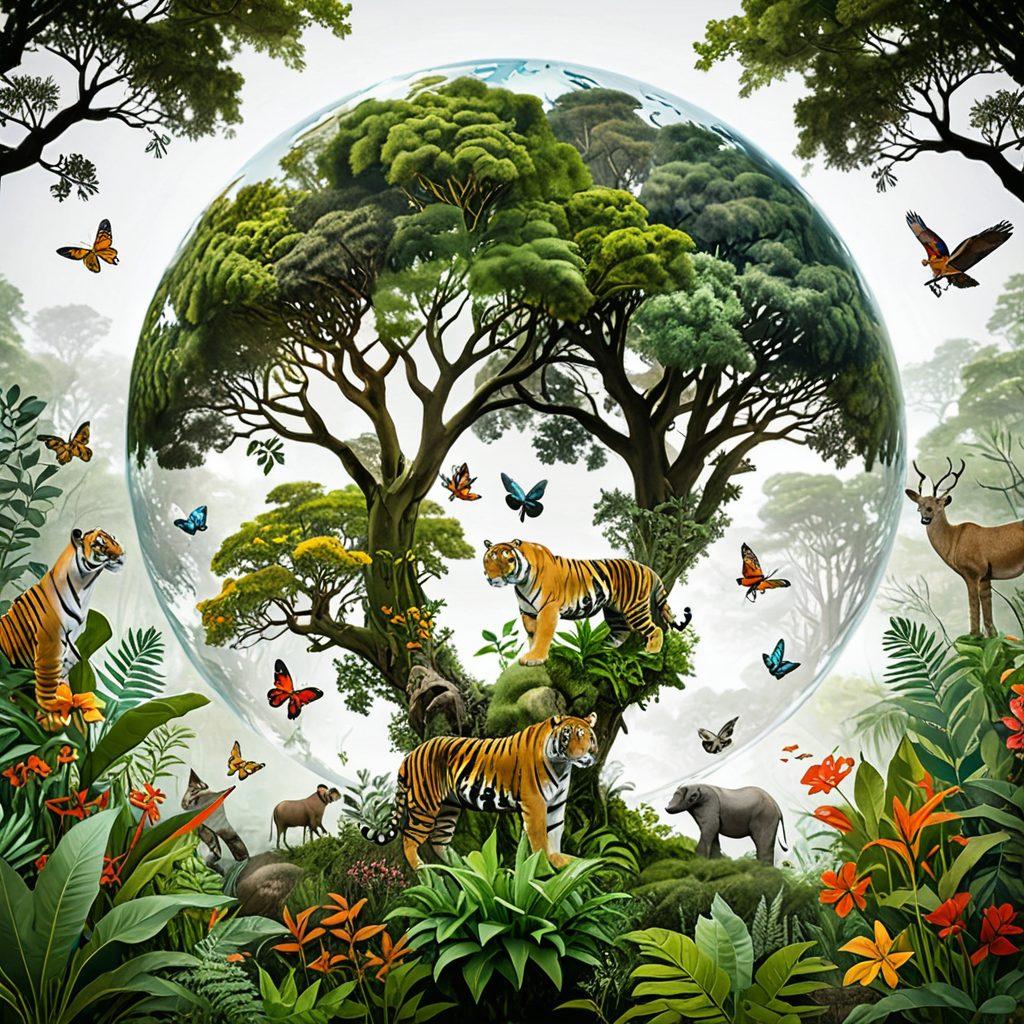
Protecting Our Planet: Strategies for Global Biodiversity and Endangered Species Conservation
In the heart of every conservation conversation lies a pivotal resource that has been guiding efforts to protect our planet’s most vulnerable inhabitants - the Red List of Threatened Species, created by the International Union for Conservation of Nature (IUCN). With each passing year, as our ecosystem faces increasing pressures from urbanization, climate change, and pollution, the significance of this list becomes ever more profound. Have you ever wondered how many species are on the brink of extinction? Or how we can leverage resources like the IUCN Red List to drive change? This blog will unveil the critical role of the Red List in global biodiversity and species conservation, ensuring that voices come together for the sake of ecological sustainability and wildlife protection.
At its core, the IUCN Red List serves as a comprehensive inventory of the world's threatened species, providing a global overview of biodiversity. From the majestic Amur leopard to the delicate vaquita, the list highlights endangered flora and fauna that desperately need habitat conservation and restoration efforts. Each listing doesn’t just denote despair but rather acts as a catalyst for action. Conservation enthusiasts around the world actively utilize the IUCN for ecological research, enabling them to implement effective conservation strategies aimed at protecting these threatened species. Who knows, perhaps the next conservation success story could be written from an inspiration sparked by this invaluable tool!
Understanding the categories within the IUCN Red List allows us to recognize the severity of the threats facing these species. The classifications range from Least Concern all the way to Critically Endangered, each one telling a story of struggle and resilience. These categories can serve as conversation starters too. Imagine discussing your favorite animal over dinner and realizing it’s listed! That debate could lead to proactive conversations about wildlife protection, raising awareness among friends and family on how crucial it is to engage in eco-friendly practices.
The beauty of the IUCN Red List is that it arms us with knowledge and responsibility. By connecting the dots between conservation efforts, policy-making, and local community engagement, we can foster a culture of environmental protection. Consider how simple changes in our daily lives—like supporting sustainable products, advocating for habitat restoration, or even volunteering in wildlife research—can contribute to the larger vision of biodiversity preservation. What will your contribution to this global mission be?
Finally, it’s essential to remember that the work of the IUCN is ongoing. The organization, along with thousands of stakeholders worldwide, continuously updates the Red List to reflect the changing dynamics of wildlife populations and conservation needs. This faces us with the responsibility to stay informed and proactive. The next time you learn about a threatened species, ask yourself—what actions can I take today to foster wildlife protection and support conservation efforts? With awareness, education, and collective action, we can pave the way for a sustainable future, rich with biodiversity that thrives harmoniously with our natural resources management.
Integrating Eco-Friendly Practices in Habitat Restoration for Biodiversity Preservation
In the grand tapestry of life, every thread counts—from the tiniest insect to the mightiest tree. Our planet's biodiversity is not just a statistic; it's the vibrant symphony of interconnected species that make our ecosystems thrive. However, this symphony is facing dissonance, and in some cases, silence, as we witness the alarming decline in endangered flora and fauna. How can we harmonize our approach to biodiversity preservation and ensure the survival of threatened species? The answer lies in integrating eco-friendly practices into habitat restoration, a critical strategy for wildlife protection promoted by organizations like the International Union for Conservation of Nature (IUCN).
Picture yourself strolling through a lush forest, the rustling leaves overhead creating a soothing melody. Suddenly, you come across a barren patch devoid of life. This stark contrast is what drives many conservation efforts, illustrating the need to restore habitats. Habitat conservation is not just about protecting existing environments—it's also about creating new opportunities for species to thrive. The IUCN's Red List of Threatened Species serves as a constant reminder that our planet's natural resources are precious, yet increasingly under threat. The question remains: how do we breathe life back into these faceless landscapes? By embracing eco-friendly practices in restoration, we can turn this vision into reality.
Imagine what it would be like if our gardens, parks, and forests could naturally restore themselves. While it sounds idealistic, it's not far-fetched! The science of ecological research has shown us that by planting native species, incorporating sustainable agricultural practices, and minimizing pollution, we can significantly enhance our efforts in biodiversity preservation. These eco-friendly practices are vital in creating resilient ecosystems that support a wide range of plants and animals. But how do we get involved? Community engagement in local conservation efforts can make all the difference. By volunteering for habitat restoration projects or participating in wildlife research initiatives, we can directly contribute to global biodiversity.
Now, let's turn our attention to the larger picture—environmental sustainability. Each of us has the power to advocate for policies that prioritize habitat restoration and wildlife protection. By supporting conservation strategies that focus on managing natural resources wisely, we ensure that future generations inherit a world rich in biodiversity. As we carry forth these efforts, it's helpful to remember a quote from conservationist Wangari Maathai: 'It's thelittle things citizens do. That's what will make the difference. My little thing is planting trees.' This sentiment encapsulates the essence of species conservation: every small action counts in the grand scheme of environmental protection.
As we close this exploration of integrating eco-friendly practices in habitat restoration, let's take a moment to reflect on our individual roles in this collective journey. Are we merely spectators, or can we step into the arena as active participants in conservation efforts? Whether it’s by reducing waste, advocating for protected areas, or participating in local eco-initiatives, we all have the potential to make an impact. Remember, the challenge of protecting our planet is not insurmountable—it is a call to action. Let's commit to nurturing our ecosystems and supporting wildlife. Together, we can create a future where both biodiversity and humanity thrive.
Exploring Effective Conservation Strategies to Safeguard Our Planet's Endangered Species
As we tread into an era where the impact of humanity is unmistakably visible across the globe, the preservation of our planet’s rich tapestry of life has never been more critical. With the alarming rise in endangered species, effective conservation strategies have become our lifeboat. The ongoing work of the International Union for Conservation of Nature (IUCN) demonstrates the urgency with which we must approach this matter. Their initiative, the Red List of Threatened Species, serves as a crucial tool in identifying species that are on the brink of extinction. How can we leverage such resources to bolster species conservation and biodiversity preservation?
To truly understand the gravity of the situation, let’s reflect on a powerful quote by Sir David Attenborough: "The truth is: the natural world is changing and we are totally dependent on that world. It provides our food, water, and air." Every creature, every plant plays a role in maintaining ecological balance. Habitat conservation and wildlife protection are crucial to ensuring that these roles continue. This means not just placing animals behind bars in reserves but actively working to restore their natural habitats. What can individuals do to engage in these efforts that protect threatened species in their own communities?
It all begins with awareness. By staying informed about local ecological issues and engaging with the IUCN's resources, such as the Red List of Threatened Species, we can make personal choices that positively influence the conservation narrative. Imagine planting native trees in our backyards or reducing waste that ends up in natural habitats—small actions that lead to significant changes. When we take those steps, we contribute to the overarching goal of environmental sustainability. Have you ever considered how a simple action can ripple outwards, inspiring others to join in these eco-friendly practices?
The collaboration between governments, NGOs, and individuals underscores successful conservation strategies. While ecological research plays a vital role in understanding wildlife behavior and habitat needs, it is essential for everyday citizens to participate in these conservation efforts. Volunteer for local wildlife research initiatives or support organizations focused on habitat restoration. These ground-level efforts can re-engage the community with not just local flora and fauna but also the overarching theme of global biodiversity. How powerful would it be if each of us committed to at least one conservation action per month?
The journey to safeguarding our planet involves a continuous commitment to ecological integrity and passion for wildlife protection. With research pointing to a decline in global biodiversity, it’s not just the responsibility of conservationists; we all have a stake in this. Whether through advocacy, education, or even conscientious consumer choices, our collective effort can reshape the fate of our natural resources management. Remember, it is not merely about saving our planet; it’s about redeeming our relationship with it. After all, as Rachel Carson once said, "Those who contemplate the beauty of the earth find reserves of strength that will endure as long as life lasts."